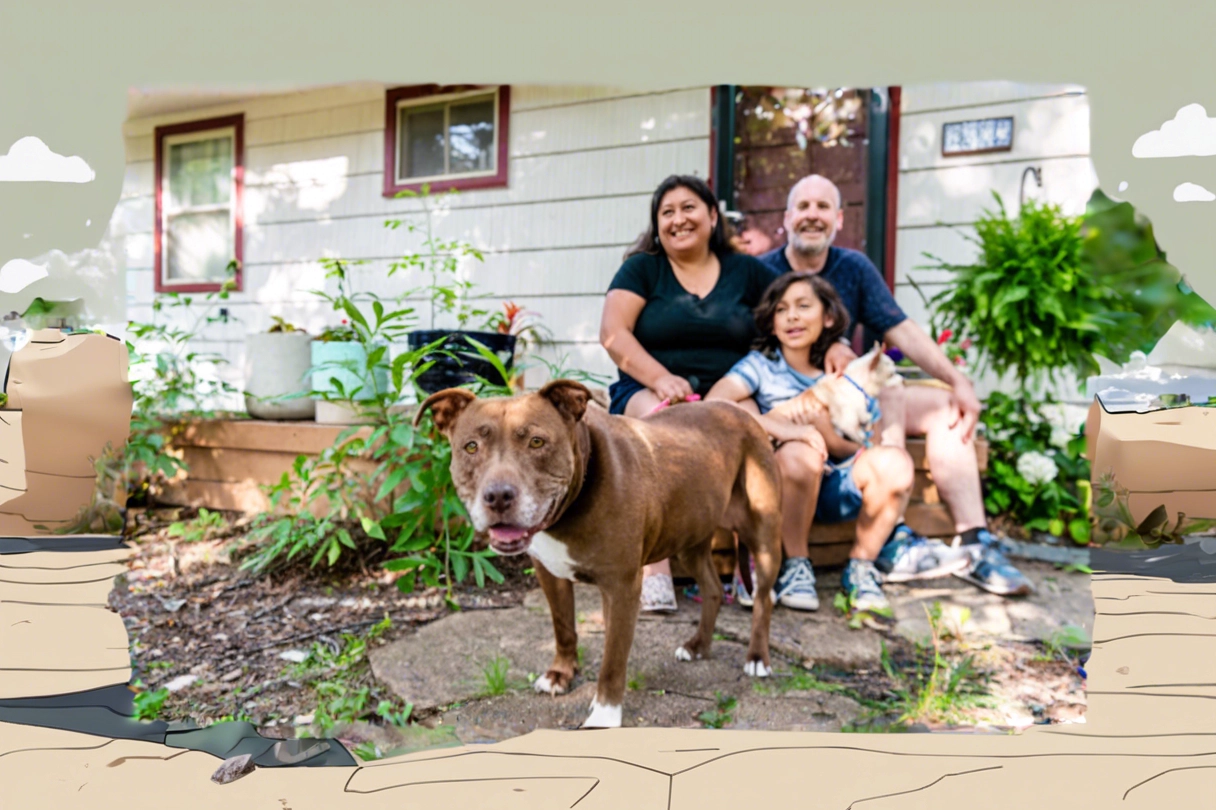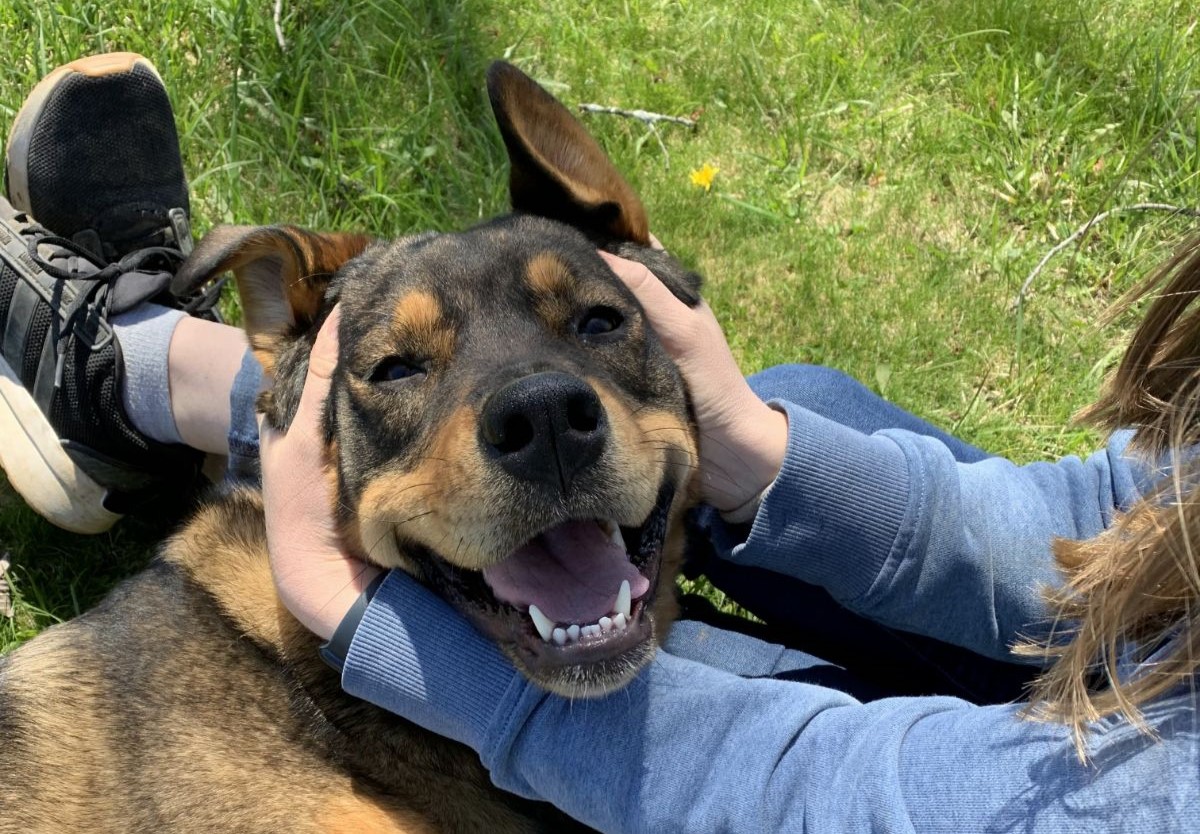

The recent Maryland Court of Appeals decision in Tracey v Solesky modifies the common law in Maryland regarding liability for bites attributed to dogs the Court alternately referred to as “pit bull”, “pit bull mix” or “cross‐bred pit bull mix”. The decision establishes a strict liability standard for persons who own, harbor or control “pit bull,” “pit bull mix” or “cross‐bred pit bull mix” dogs, when a dog so labeled injures a person.
Evidence Analysis The rationale and sources relied upon by the Maryland Court of Appeals in reaching its decision in Tracey v Solesky are widely considered suspect. There is no scientific evidence that one kind of a dog is more likely to bite or injure a human being than another kind of dog. Unfortunately, the court’s reliance upon out‐dated and generally discredited reports resulted in a decision that is directly contrary to the nationwide trend of recognizing that the most effective laws apply the same standards of responsible conduct and liability to all dog owners.
Inevitable Controversy “Pit bull” is not a breed of dog. Consequently, there is no breed standard for “pit bull” dogs. DNA analysis cannot prove or disprove a dog to be a “pit bull” or a “pit bull mix” or “cross‐bred pit bull mix” as there is no DNA test to determine whether a given dog is a “pit bull” or a “pit bull mix” or “cross‐bred pit bull mix.” (1) Controlled studies have demonstrated that there is little consensus on what a “pit bull” looks like. (2) “Pit bull” is a catch‐all term used to describe a continually expanding incoherent group of dogs, including pure bred dogs and mixed‐breed dogs. A “pit bull” is any dog an animal control officer, shelter worker, dog trainer, politician, dog owner, police officer, newspaper reporter or anyone else says is a “pit bull”. Consequently, it is unclear from Tracey v Solesky just how anyone is supposed to determine if a dog is a “pit bull,” “pit bull mix” or “cross‐bred pit bull mix.” The justices who dissented in Tracey v Solesky warned that “the matter of creating a new standard of liability is fraught with problems and is beyond the sphere of resolution by any appellate court.”
What is strict liability in Maryland? Strict liability in this case means that the victim of a bite from a dog proven to be a “pit bull”, “pit bull mix” or “cross‐bred pit bull mix” does not have to prove that the owner or the landlord knew the dog was dangerous.
Dog Owners in Maryland Maryland does not have a statute that specifically addresses the issue of dog bites and is among the minority of states that continue to follow the common law regarding liability for dog bites. In Maryland, dog owners are not liable for the damages caused when their dogs bite a third party unless the owners knew that the dogs might bite or had bitten before. If the dogs had bitten in the past, the owners are charged with that knowledge and become liable for subsequent bites. Tracey v Solesky changes Maryland’s common law, in that it imputes a knowledge of dangerousness to all owners of “pit bull”, “pit bull mix” or “cross‐bred pit bull mix” dogs, regardless of whether the individual dogs so designated had bitten someone in the past. In other words, Tracey v Solesky imposes strict liability on owners of “pit bull”, “pit bull mix” or “crossbred pit bull mix” dogs when dogs so designated bite a person. In order to succeed in a lawsuit for liability against the owner of a “pit bull”, “pit bull mix” or cross‐bred pit bull” dog who has bitten, the victim only has to prove that the owner knew the dog was “pit bull”, “pit bull mix” or “cross‐bred pit bull mix” dog. The victim does not have to prove that the owner knew the dog might bite, nor does the victim have to prove that the owner was negligent. However, common law defenses still apply in all dog bite cases. Those defenses include assumption of the risk, trespass, provocation, and contributory or comparative negligence. Other defenses include whether the bite occurred on or off the dog owner’s premises, whether the dog was reacting in defense of its owner, whether the victim teased or provoked the dog, etc. The Tracey v Solesky decision does not change the liability for owners of other dogs in Maryland.
Landlords in Maryland Tracey v Solesky changes Maryland’s common law and may impose strict liability on landlords if a dog designated a “pit bull”, “pit bull mix” or “cross‐bred pit bull mix” bites someone on premises controlled by the landlord. If a person injured by a dog designated a “pit bull”, “pit bull mix” or “cross‐bred pit bull mix” can prove that the landlord knew the dog was present, that the landlord knew the dog had been designated a “pit bull”, “pit bull mix” or “cross‐bred pit bull mix”, and that the landlord had control over the premises where the bite occurred, the court can impose strict liability on the landlord. The injured person does not have to prove that the landlord knew that the individual dog was dangerous.
Shelters in Maryland National Canine Research Council’s legal advisors have reviewed Tracey v Solesky and have determined that this decision does not impose any additional liability on shelters. Nothing in this decision limits a shelter’s freedom to adopt out a “pit bull”, “pit bull mix” or “cross‐bred pit bull mix” dog. Shelters should disclose what they know about the dogs they adopt out based on the history they receive and what they observe while the dog is in their possession. Studies have shown that breed labeling dogs of unknown history and genetics based on visual examination correlates extremely poorly with DNA analysis. (3) Shelters do not have the expertise to inform new owners of every possible statute, regulation or common law that effects dog ownership. Nor do they have the expertise to define the applicability of Tracey v Solesky to the dogs in their care. It remains the responsibility of all dog owners, regardless of where they obtain their dogs, to know the laws in their state including the requirement for licensing, leashing, vaccinating, etc. Though this decision does not impose strict liability on shelters, it does negatively impact owners, landlords, and shelters in Maryland.
A Unified Voice for Dogs It is important to remember that the overwhelming majority of dogs, regardless of breed, never bite anybody. Ever. The majority of states in the United States have statutes that impose strict liability on owners of all dogs in the case of a dog bite. Maryland is the only state that imposes a burden of strict liability on a landlord, in the case of a dog bite. We will only resolve such a controversy finally and equitably when we hold all dog owners to the same standard of humane care, custody and control of their dogs. We must be firm in our resolve to treat all dogs as individuals. We must insist that our laws and our communities afford all dogs equal treatment and opportunity.
FOOTNOTES
(1) Mars Wisdom Panel® Insights explains, “Due to the genetic diversity of this group, we cannot build a DNA profile for the Pit‐bull. If a Pit‐bull type dog was tested, we might anticipate that Wisdom Panel Insights test detect and report moderate to Minor amounts of one or more dis tantly related breeds to those used to breed the dog, it is possible that one or more of the following breeds might be detected at moderate to Minor amounts: the American Staffordshire terrier, Boston terrier, Bull terrier, Staffordshire Bull terrier, Mastiff, Bullmastiff Boxer, Bulldog and various small terriers like the Parson Russell. These breeds would be detected because some markers in these breeds have genetic identity at a minority of the markers Wisdom Panel Insights test uses to the breeds in our database.” http://www.wisdompanel.com/why_test_your_dog/faqs/#79
(2 )A study report authored by Kimberly R. Olson, BS and Julie K. Levy, DVM, PhD, DACVIM, of the Maddie’s® Shelter Medicine Program, University of Florida and Bo Norby, CMV, MPVM, PhD, of the Depa rtment of Large Animal Clinical Sciences, Michigan State University, concluded “1. DNA analysis failed to confirm pit bull‐type breeds in the pedigree in more than half of the dogs identified as pit bulls by shelter staff at the time of the study. 2. One in 5 dogs genetically identified as pit bulls were missed by shelter staff. 3. One in 2 dogs labeled pit bulls by shelter staff lacked DNA breed signatures for pit bull terrier‐type breeds. 4. Lack of consistency among shelter staff in breed assignment suggests tha t visual identification of pit bulls is unreliable. 5. Focusing on other attributes of dogs such as persona lity, behavior, and history instead of breed may help predict safety of individua l dogs towards people and other animals. 6. Public safety may be better preserved by recognition and mitigation of risk factors for dog attacks and on identification and management of individual dangerous dogs, rather than on exclusion of particular breeds.”
(3) In an article published in the Proceedings of the Annual American Veterina ry Medical Associa tion Convention, July 2009, Dr. Victoria Voith, PhD, DVM, DACVB, and advisor for National Canine Research Council, writes, “The discrepancy between breed identifications based on opinion and DNA analysis, as well as concerns about reliability of data collected based on media reports, draws into question the validity and enforcement of public and private policies pertaining to dog breeds.”