

A Retrospective Study of Canine Outcomes and Length of Stay in a Midwestern Shelter Subject to Breed-Specific Legislation

The authors of this study found no evidence that breed-specific legislation (BSL) was likely to enhance public safety in the study community. BSL compromised outcomes for dogs labeled as restricted breeds even though they did not differ from other shelter dogs in euthanasia for behaviors labeled “aggressive.” Breed designations used to categorize dogs into the restricted or non-restricted groups relied on visual assessment by shelter staff—a method widely shown to be unreliable for identifying breed ancestry in mixed-breed dogs, which includes most dogs living in shelters. These factors suggest that policies targeting dogs by appearance are unlikely to reliably identify behaviorally distinct groups of dogs. The authors conducted a retrospective analysis of shelter software records for 764 dogs admitted to a municipal shelter in a Midwestern U.S. city during 2022, 118 (15.4%) classified as breeds restricted under local BSL, primarily labeled as “pit bull–type” dogs. Dogs labeled as legislated breeds experienced poorer shelter outcomes, experiencing adoption delays, indicating that legal barriers to placement—rather than differences in the dogs themselves—likely contributed to the poorer outcomes observed for dogs labeled as restricted breeds.
Redefining parenting and family—The child-like role of dogs in Western societies.

Are dogs the new kids? In their groundbreaking 2025 review, Gillet and Kubinyi dive deep into how modern humans relate to dogs, and why so many now consider themselves “dog parents.” Drawing on research from psychology, sociology, biology, and animal behavior, the authors trace the shift from working partnerships to emotional, child-like bonds. They explore how dogs mirror young children in their dependency, emotional responsiveness, and cognitive skills, and how our parenting instincts and cultural norms shape the way we care for them. The paper doesn’t shy away from complexity, highlighting both the benefits and potential downsides of anthropomorphizing dogs, and ultimately calls for a more nuanced understanding of this evolving human-canine connection.
What’s in a Name? Effect of Breed Perceptions & Labeling on Attractiveness, Adoptions & Length of Stay for Pit-Bull-Type Dogs
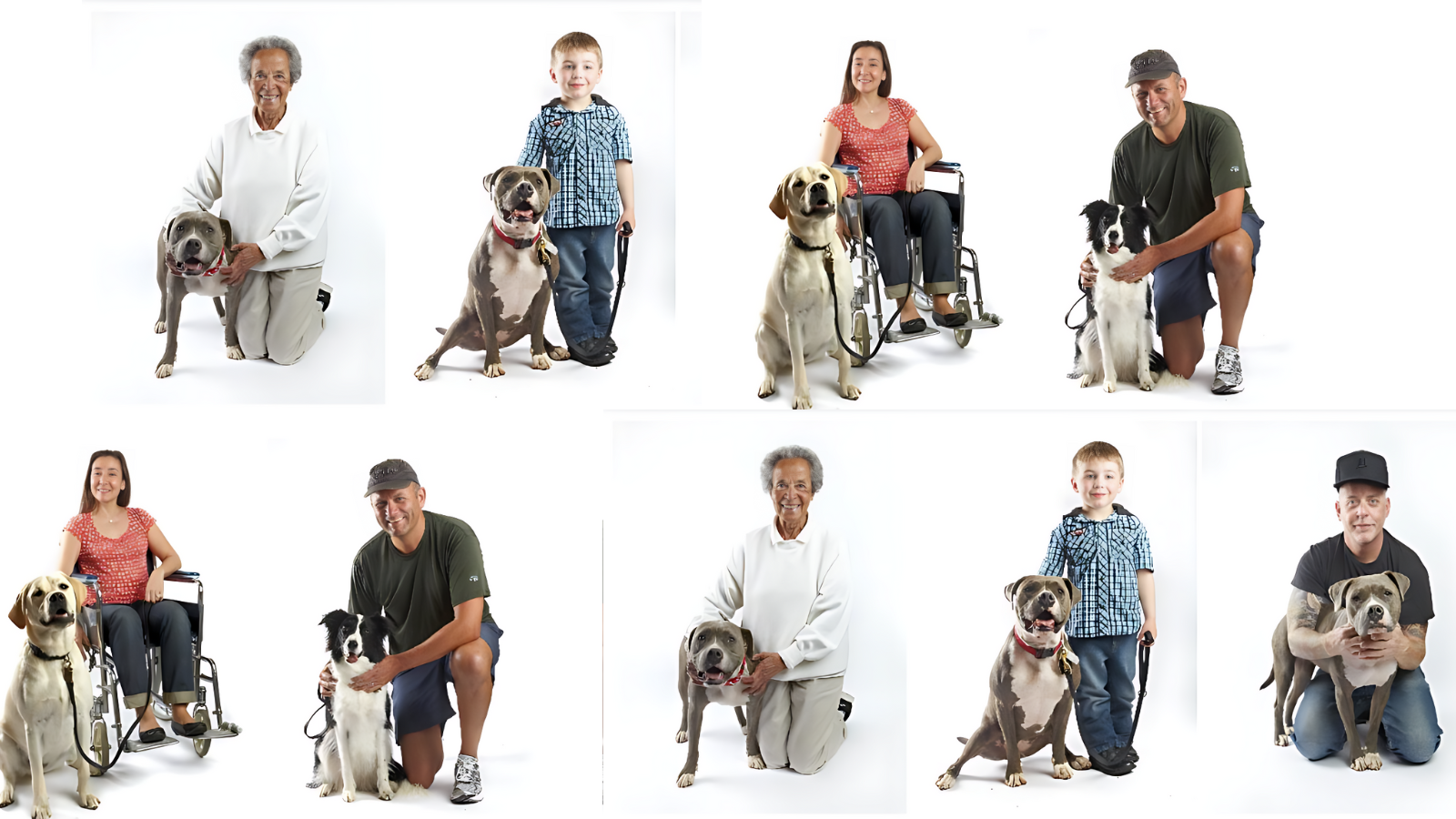
This 2016 multi-part study by Gunter et al. offers compelling evidence that breed labels influence human perception of dogs, often reinforcing unfounded stereotypes that negatively impact adoptions, particularly for those believed to have American Pit Bull Terrier (APBT) ancestry. Across three experimental studies and one shelter-based intervention, the researchers consistently found that when dogs were labeled by breed, especially breeds stigmatized in public discourse, they were rated as less desirable, even when their appearance was identical to unlabeled counterparts. Notably, when breed labels were removed in a real-world-shelter setting, live outcomes improved for all dogs, with the most dramatic gains seen in dogs previously identified as APBT types whose adoption rates rose and euthanasia rates dropped. This body of work underscores the disconnect between breed-based assumptions and actual behavior, supporting a growing body of research advocating for the removal of breed labels in sheltering practices to reduce bias and promote more equitable outcomes for dogs.
Comparison of behavioural tendencies between “dangerous dogs” and other domestic dog breeds–Evolutionary context and practical implications
Overview This 2022 study by Hammond et al. reinforces a growing body of evidence demonstrating that breed is not a reliable predictor of agonistic behavior toward people, that is, behaviors such as barking, growling, or biting. By combining two established behavioral assessment tools (the Dog Impulsivity Assessment Scale (DIAS) and the Positive and Negative Activation […]
Ancestry-inclusive dog genomics challenges popular breed stereotypes
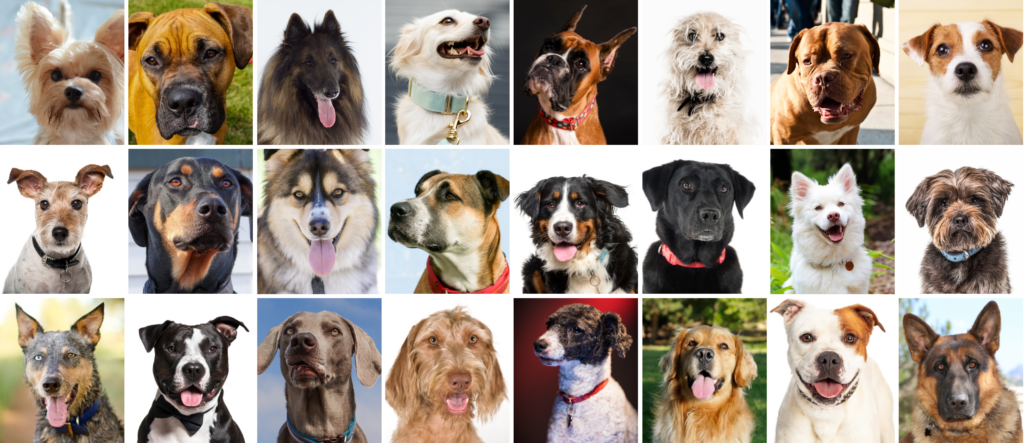
This groundbreaking 2022 study by Morrill et al. is the most robust to date examining the relationship between genetics and canine behavior, and its findings reaffirm a central truth supported by decades of research, that breed is not a reliable predictor of behavior in individual dogs. Unlike prior studies that made assumptions based on breed stereotypes or separate data sets, this research uniquely combined genetic sequencing with behavioral assessments from the same dogs—over 2,000 sequenced and more than 18,000 surveyed—representing both purebred and mixed-breed populations. The results revealed that breed accounted for only 9% of behavior variation, while broader genetics (not tied to breed) explained just 25%. Critically, breed had no meaningful influence on behaviors often labeled as “aggression,” further debunking the myth that certain breeds are inherently more dangerous. While breed did show modest influence in areas such as trainability (biddability), these effects were limited. By confirming that appearance is highly correlated with breed while behavior is not, this study decisively challenges breed-based assumptions and policies and establishes itself as the new “gold standard” in canine behavioral genetics.
Saving Normal: A new look at behavioral incompatibilities and dog relinquishment to shelters

This 2021 paper by Patronek et al. critically examines a core assumption in animal sheltering, that certain dog behaviors predict relinquishment and therefore justify the use of shelter-based behavior evaluations. Through a review of existing studies, the authors find little scientific support for the belief that behaviors often labeled as “problems” cause large numbers of dogs to be surrendered. Only two studies to date have assessed behavior as a risk factor by comparing relinquished dogs to a representative control group of dogs living in homes. Even those showed weak and inconsistent results. The authors also highlight methodological flaws in how relinquishment reasons are reported and categorized, which often inflate the perceived role of behavior by grouping diverse behavioral issues together while separating other factors into more granular categories. The authors find that many dogs living successfully in homes exhibit the same behaviors often cited as reasons for surrender and that owner satisfaction remains high despite them. These findings challenge the rationale for using behavior evaluations as gatekeeping tools and call for a reassessment of shelter practices focused on a more evidence-based and humane understanding of human-dog relationships.